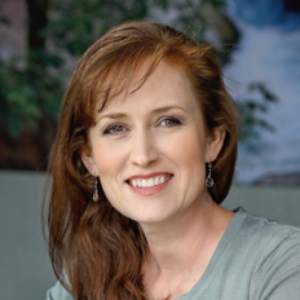
#63: You Can Get There the Wrong Way
Oct 29, 2019
Oahu Meet and Greet (part 1) - I share my story (and recent updates to it) to a new audience during an informal meet and greet in Hawaii. Part 1 of 2.
Topics discussed:
- When it's important to be specific in goal setting.
- How to experience the power of Rare Faith when you suffer with depression or anxiety.
- Knowing "What's my part?" and what Rare Faith has to do with the Passion of Christ.
- What you should know if you're concerned about priestcraft.
- How "peace" as a feeling counts for activating second level goal achievement.
Click here to listen to Part 2
Originally recorded April 12, 2019 in Honolulu, Hawaii.
TRANSCRIPT:
Host: Welcome to the Rare Faith Podcast, where the solution to every problem is only an idea away, and where the same activity with just a little more awareness always yields better results. Award-winning, best-selling author Leslie Householder brings some of her best information to this inspiring series of life-changing episodes that you won’t want to miss.
Host: Show notes for this episode can be found at ararekindoffaith.com.
Leslie: I didn’t know what mahalo meant before I came, but I heard it so many times on the airplane, I’m like, I have to know what this means. Thank you so much, Denise and Colin, for letting us be here, and for letting us use your beach chairs, and it’s been such a fun week. I have about three or four different things that I want to share tonight. We’re not going to have time to do all of them, so I thought it might be a good idea to just kind of run through the room, find out a little bit about who you are, why you came tonight, and whether or not you’re already familiar with some of this stuff, or just kind of get a feel for where we’re at as a group. That’s okay. You want to start?
Teresa: Sure. I’m Teresa. I live in Mililani. I’ve been in Hawaii for four years. I’m always really interested in things that help expand. I believe in abundance. And so Carmen, my housemate, told me about this, and I’m so happy to be here. I’m looking forward to it.
Leslie: Wonderful. Thank you.
Carmela: Yeah, I am Carmela. I know you from church. I heard about your book from Angelica because her husband called her on the phone and he was on speakerphone, and he was talking about this book, and I was like, what book are you talking about? He’s like, you should tell Carmen. So that’s how I found out. And she was telling me it was a great book, so I bought it. I read it in one night. Was that Jackrabbit Factor? Okay. I have all of your books. I’m really familiar with the stuff you talk about because I’ve studied different things at a Japanese university, and I also was in India, and I also had some classes with the Dalai Lama. So many of the thinking and the other stuff that you talk about, I was familiar with from a different perspective, so I really enjoyed how you put it in your books. So thank you. But I’m really excited for tonight and to hear more of what you have to say.
Leslie: Good, good. Thank you.
Angelica: I’m Angelica. We’ve already met. We’re in church. So I heard from you because of Sister Wallace. She talked in a Relief Society activity, and I was so interested in everything she said, so I was begging her, please teach me more, please, I want to learn everything you know. It took months. And then she finally said, okay, and she said, watch this video. And I watched you, and I was like, he’s my father-in-law, we need to watch this video, it’s amazing, because suddenly everything that I learned clicked. Oh, now I understand. And then I got the book, and everything you compare with the scriptures, it was just like, this is what I need to know to really understand what faith means, and it’s changed my life. And talking to Sister Wallace every week, she had been teaching me, and everything about you teaching in your book, so I was so happy to spread the news. You need to listen to this lady, buy the books. My husband is like, one more, one more. He learned the book, he read the book, and he’s all this stuff. And we have been going through a difficult situation, and because of these things, our perspective in life has changed, so we have a good attitude. No matter what happened, if it’s bad, we’re expecting the other side, something good to happen. So yeah, we became happier people because of all this knowledge.
Leslie: Good. Thank you. Wonderful, wonderful.
Quinn: I’m Quinn from Mesa, Arizona.
Leslie: Are you from Mesa?
Quinn: No, I’m in Gilbert right now.
Leslie: Oh, Gilbert.
Quinn: Okay, well, I was born and raised in Mesa. We were married there, and we go to Gilbert Temple now because Mesa Temple is closed. But anyway, I’m the father-in-law of Montana. My son Dan is in Honduras. But we were here a couple months ago, and they showed us that video of yours, and we were really interested in it. And I’m not supposed to be here tonight. I’m supposed to be home watching the two boys, but my wife said I couldn’t, so she stayed. She didn’t trust me.
Leslie: Oh.
Quinn: Well, I’ve watched boys before.
Leslie: Yeah. Are you visiting Hawaii then?
Quinn: We’re visiting. I just retired two weeks ago.
Leslie: Good. So where in Mesa are you from?
Quinn: I’m in the Red Mountain area.
Leslie: Okay, okay. In the northeast of Mesa?
Quinn: Yeah.
Leslie: Good, good. We had to come to Hawaii to meet.
Quinn: I know, I know.
Leslie: That’s really great. All right.
Karin: So I’m Karin. Denise gave a presentation in Mesa. It was kind of the first that I learned about it, but I knew that this was going to be a great night, and I wanted to come in the morning.
Speaker 2: Oh, good. Glad you’re here.
Nicole: I’m Nicole, and I also heard from Denise about you, and I just came here.
Becca Brown: Okay, I’m Becca Brown, and I learned about you from Denise, as usual. I’m actually a life coach myself, and so...
Leslie: Love it. Yes. Good, good.
Rebecca: I actually found out about your stuff from a fellow voice teacher, and then she sent me the videos, and I loved it. It was probably five or six years ago. So I sent it to my husband, and he watched it, and then we just read the books. And we really think that it’s a big reason why we moved back to Hawaii, which is where he grew up, and why we’re here in the situation where we are right now. We’re demolishing the old home that his dad lived in, and we’re doing really crazy, adventurous things. And yeah, I can point to that video, that universe one.
Leslie: So where were you living?
Rebecca: We were living in Provo.
Leslie: Okay.
Rebecca: We went to BYU and never meant to raise our kids there, and we were just there for like 20 years, so we escaped. It was great. Our oldest kids were raised there, but now our younger ones are not even going to remember.
Leslie: Wow. How many kids do you have?
Thomas: We have five. And to kind of continue what Rebecca was saying, when I was exposed to, I think it was Jackrabbit Factor first, I wanted to learn more, and so I signed up for your mastery course, and I haven’t even opened the second half yet, because we got through the first half of it, and then all this stuff... I was in the Mormon Tabernacle Choir, which is now the Tabernacle Choir, I was doing great things in Provo, but then all of a sudden it was time for me to come home and take care of things here, I just found myself... and now we’re building a house in Hawaii, and it’s not in Hilo or somewhere where the land is cheap. It’s right smack dab in Honolulu. So Rebecca and I agree that half of your Mindset Mastery course is powerful enough to kick us loose.
Leslie: You’re not supposed to do the big things in the first half. You’re a horrible student.
Speaker 8: He’s doing the second-half work right now. He just doesn’t know it.
Leslie: Yeah, yeah. Detention for you.
Speaker 17: Thank you.
Jamie: Okay, I’m Jamie Chang. I just a few months ago got married, quit my job, moved out here with my husband, so Denise mentioned really good things about it, so I’m excited to learn and just try to figure out my next phase of life.
Leslie: Yeah. Okay, wow. Cool.
Andy: I’m Andy, and also I heard about you from Denise. I don’t know as much. I haven’t read any books or anything, so this is all very new to me, so I’m excited to learn more.
Leslie: Good, good. Perfect.
Leslie: You guys decide who goes first. I’m not going to get involved.
Betsy: I’m Betsy. I’m 14 years old, so I’m probably the youngest one here. I heard about it from Sister Wallace, who’s my Young Women leader, and I was talking about how I want to publish my own novels, and I heard you’re a self-publisher, so I’m really more for that side. And I didn’t really know that you did self-help books until I looked you up afterwards.
Speaker 8: Okay, okay, good. Good.
Melody: I’m Melody. I’ve never really met an author before, so I got kind of excited. But it was mostly Kaylee that told me about it. I was kind of like, okay. And then I was like, well, I guess it’s my first time meeting an author, so it’s really cool, and I just got curious. I just want to hear about it.
Carmela: They’re normal people. You’re sitting a little higher. It’s the chair. It’s not us.
Leslie: I had one guy, and he still tells this story. There’s this guy in Utah who got all kind of weirded out about meeting an author, and I don’t even remember which event or what the circumstances were, but he’s sitting next to me, and he’s like, I wish you’d just do something. I don’t know if he asked for this or what, but I just had to pick my nose in front of him just to chill him out, and now he talks about that everywhere.
Kaylee: Yeah, I’m Kaylee, and mostly here with my daughter, Betsy. But I haven’t heard of your books or anything like that, but I’m excited to learn about them. I’m coming in new, willing to learn.
Krista: I’m Krista. She told me to come. I’m just kidding. I’m her pet project.
Speaker 6: It’s a new teacher. She practices on you.
Krista: So I have to pretend I’m crazy just so that way there’s all your knowledge, and she tells me all about it. Yeah, I have seven kids. Youngest is six, oldest is 20, and we move around every two to three years, and I’m really here to be a more successful me.
Leslie: Okay, wonderful, because there’s a whole lot going on.
Trevan: I have to say, Denise, look at the ripple effects. So you guys don’t know—Denise doesn’t feel real confident in this stuff, but she is amazing. She has been an incredible student of this material, and she has been such an amazing contributor to our online class that we’ve been having, our guided Mindset Mastery class. Everybody has benefited from your experience and everything that you’ve been willing to give, your vulnerability and everything. So thank you. On behalf of all of them, you’re better than you think.
Speaker 6: She tells me that every day.
Speaker 10: She has three miles to walk with you. You aren’t a cheesecake, Sister Wallace.
Rebecca: So we’re the only people that came here just from the email. Are you really?
Speaker 6: Yeah, you guys are.
Rebecca: Yes. We know all these people.
Leslie: That goes to show you how...
Trevan: Well, we were driving up the east side and we lost internet. We’re like...
Leslie: Where are we? Before we kind of kick off, Colin or Denise, is there anything else you want to say about why you’re here maybe? Have you met the Chalks before?
Speaker 6: No, we just met.
Speaker 5: So she told us our story when we came in.
Leslie: Okay, that’s really cool. I guess we can talk about...
Speaker 11: How we got into this. So I’m military, obviously, otherwise we wouldn’t be on military. I’ve been in for 28 years, somewhere in there, shortly after you were born, I think.
Leslie: Actually, I did all... growing up I played army too.
Speaker 11: See? Mine, what happens? So being in the army so long and missing out on a lot of stuff with the kids and the family, I decided it’s time to figure out what I’m going to do to get out of the army. I started figuring out retirement. Never really thought about it, and when we figured it out, like, how the heck am I going to live on less than half of what I’m making now? So we got into looking at different multi-level marketing type stuff, and John Simms talked about you.
Speaker 5: It was really Kirk Duncan.
Speaker 11: John Simms, John Simms told us about you. We didn’t know who you were, but not by name.
Leslie: No, we’ve never met him. We never got big enough in the organization to get his attention.
Speaker 5: Well, he told us about the Jackrabbit story, and so when we started reading your book, I’m like... and then you talked about John Simms, I’m like, oh, I guess I should thank you.
Speaker 11: We’re all connected. John Simms was one of the biggest builders ever in Amway when Amway was a big thing. Then they left Amway when they kind of went a different way that they didn’t feel good about, and then they started a new company. He went from being a tow truck driver to somebody that owned his own Learjet, flying people around, and he still acts like a tow truck driver.
Leslie: Very down to earth, normal guy. He was one of the greatest teachers and mentors of these principles.
Speaker 5: Funniest guy I’ve ever met. Yeah, we talked to him all the time. But then we went to a function where Kirk Duncan talked. We went to all his trainings, and he told us about you guys, talked about the whiskers, so he mentioned that. And that was the last training with him. Then we started reading your books after that. And I feel like one thing led to another to another, because the stuff that you guys have taught was the missing key for me. It was the light bulb. The light bulb went on. I was like, this is what I’m missing.
Leslie: Well, I have to say there was a time... this idea that it comes full circle. When we talk about in our other podcasts or whatever, when we were struggling so much and we started going to events, it was these seminars that this organization would put on to help train their distributors to think according to these principles. And going to over 100 of them, we would listen to the big leaders who had succeeded and done so well teaching principles of right thinking and success, and how mindset changes everything. You know, you think, oh, if I change my mindset then that will make me do things differently and I’ll get different results. And what we learned is that no, you change your mindset and things change even before you start doing things differently. It’s fascinating. But when you start paying attention, you start tracing it, you realize how important your mindset is. But as we’re going to all these events and we’re taking notes, listening to these leaders, we get a nugget, like, oh my gosh, that changes everything. And bit by bit by bit by bit, we’d get a piece, get a piece, get a piece, until seven years later that final piece fell into place, and then in three months we tripled our income. It was like we had to get all those pieces in place for that to happen.
Leslie: Along the way we had so much admiration and respect for these leaders who had figured it out and were seeing successful results in applying them. And there was one time I was asked to speak at a fireside in St. George, probably eight or ten years ago, and as I’m sitting there getting ready to talk about my book Hidden Treasures, I see this couple walk in who were some of the leaders that we had learned from years before. They walk into the fireside where I was going to speak, and I’m like...
Trevan: Uh, Steve?
Leslie: Yeah.
Trevan: I think I was.
Leslie: I’m like, look, look. You know, somebody we had idolized, someone we’d learned so much from. And then he came up afterwards and said, thank you so much, this was the piece I was missing. And I’m like, oh my gosh, oh my gosh, that was cool. So to hear it coming back around, it’s just fun. But I’m going to be all over tonight. I’m just going to be all over because I’m excited.
Trevan: One thing I want to say is there are a lot of people—they’ve built big businesses or whatever, and it might have been an MLM or it might have been just a regular traditional business—and a lot of them don’t know why they were successful. They were what we call unconscious competence. They couldn’t teach somebody else how to do what they had done, but they just instinctively knew how to do what they did for themselves. But when we learned these principles, we’re like, this is so amazing, because now we can teach it. Now it’s something concrete that we can understand, why things work the way they do, and it’s duplicatable. We can share this with others. And so there’s been a lot of successful people that have come to us and said, I want your books because I want to be able to teach it, like share how to be successful with others, with their kids especially, in their family. So that was cool.
Leslie: I remember when I did an interview on the local ABC news in Arizona. I had three minutes to try to convey what Jackrabbit Factor was about, and I’m still like, I don’t even know what my elevator speech is. Three minutes, and I kind of went blank. We got a nice screenshot—it helps sell books because it looks like I’m important, that I’m on a TV show—but I blanked out. It was the most awful interview ever. Never wanted to do another one. And from that, you know, I thought, oh man, this is going to broadcast to the Phoenix metropolitan area, got to get the books ready, they’re going to fly off the shelves, whatever. I think we sold one book from that interview. One book. And it was someone up closer to Flagstaff who emailed me and said, I saw your interview, and she said, I could see your frustration, because how do you explain this? And she said, I love your book because it explained what I do that I didn’t understand what I was doing. Now I’ve got this to share with my friends and family. And so that’s kind of what it’s done.
Leslie: So backing up, for those of you who don’t know anything about what this is about, Trevan and I married in 1991. And before we got married, our plan was, okay, we talked about this before we got married, that I really want to be a stay-at-home mom, and he wanted that for his wife, so it was a match. But we get married, and we were young and financially unprepared to be self-sufficient. I mean, scraping by, but not self-sufficient enough for me to stay at home. And so we both worked that first year. We were also going to school, starving college students.
Trevan: Starving college students.
Leslie: And then I’m expecting, and at the end of that year I’m ready to have this baby, and we just decided we’re going to operate on faith. We believe this is what the Lord wanted for us and our family, for me to be the primary nurturer at home. And so baby number one comes along and I quit my job, and the numbers didn’t add up, but we believed in a miracle, right?
Trevan: You can live on love, right?
Leslie: You can live on love.
Trevan: We can live as cheaply as one.
Leslie: As long as one person doesn’t eat. Yeah. So that year wasn’t the blissful motherhood scenario that I had imagined from the time I was a little girl. It was constantly stressed, worrying about how we’re going to pay this bill, how we’re going to cover that, if the bank is going to reverse that late fee again or not. It’s just constant that way. We had old, old cars. We had a dune buggy. It was a second car. We sold that to help pay bills. I sold my wedding dress. I sold my Young Women medallion at a yard sale.
Trevan: You sold her flute.
Leslie: I sold my flute. I sold my guns. Just to stay at home. I didn’t know the Young Women medallion wasn’t something you could just go buy at Deseret Book again sometime.
Trevan: Somebody was really excited to get it.
Leslie: Later I served in Young Women and the bishop, I told him the story, and he was kind enough to get me another one. But yeah, that’s how desperate we were. We were working multiple jobs. We were cleaning office buildings at night after school and after our day job. One of the office buildings we cleaned was Stephen R. Covey’s. Never met him, but I emptied his trash many times. Anyway, so all this, and before the baby came our radar was up. We were looking for a way, a better job or whatever. We were both working at a home for the mentally handicapped, which was basically minimum wage.
Trevan: When minimum wage went up, we got a raise.
Leslie: Yeah. So Trevin’s at the grocery store one day and this young kid is there and he gets talking to him in the aisle. Of course our radar is up looking for opportunities. He said that he’s got a business and he’s expanding. He ended up being our connection into this multi-level marketing organization that we joined. And as we went to these events, we were convinced that we could become like the leaders who were not just stay-at-home mom, but stay-at-home dad too. Why not? If we’re going to be dreaming big, why not? We just want to enjoy our family. And so that became the dream. And it’s kind of... I want to say it’s sad, but it is kind of sad. When you get a glimpse of what’s possible, it’s sometimes hard to be happy with anything less. And so it’s this balance. It’s figuring out how to have a dream and how to pursue it without just being absolutely frustrated and upset with the way things are, because sometimes that gets in the way of living these principles. And these principles are what opened those doors. We might get into more of that later.
Leslie: But long story short, seven years of going to these monthly events, trying to figure out how to think right, how to talk to prospects right, how to build this business. And at one point we had one leader say, look, if you just show 150 presentations, you’ll be making $2,000 a month because nobody in the organization has ever done that many presentations and not hit that level. And we’re like, cool. So I created a paper with 150 squares and I thought, all right, honey, we fill this in and we’re going to be making $2,000 a month, which would have retired us. I mean, that was amazing. Residual income, nonetheless. So we get to the end of that paper. We did 150 presentations, and we were no closer to making... for the audio, Trevin is putting an L on his forehead. We are the first people in the history of this organization to do 150 presentations and not be making that money. It was probably just somebody throwing that out there, like how would anybody know really? Now that I think about it, it was a good motivational tactic to get us moving. But we were just frustrated.
Leslie: I was dealing with depression. I was never diagnosed officially because the one time I went to the doctor to get help, first meeting she was very encouraging and optimistic. When I went back to actually get whatever help she had to offer, she ticked me off and I stormed out of there and never went back, because I was depressed about life. Anyway, so I’m pretty sure I was clinically depressed. Things got bad enough. There was a point—and I tell this story probably too often, but it encapsulates where I was at and where my mindset was—that I came outside one time. We were in this two-bedroom little seedy apartment in a neighborhood that was not inspiring, and cigarette smoke was coming through the outlets as I’m raising my babies and I’m home with them, and it’s just a constant reminder that life is not what we had pictured. But I came outside one day to find my broom had been broken in half by the neighbor kid, and so I called the police. That’s where my head was.
Trevan: I was so upset.
Leslie: I called the police on the kid who broke my broom. Two years later, not necessarily in a depressed place, but I did call the police on a five-year-old who stole cookie dough out of my fridge. It’s a true story. That’s on my video. If you want to hear more of that story, go find my video at rarefaith.org. It’s under the freebies section.
Trevan: And we’re not recommending that, by the way.
Speaker 6: No, no, no. Calling the police on a five-year-old.
Trevan: Yeah. When we were not home. We didn’t even know the kid.
Speaker 2: I thought it was your own kid.
Trevan: No, it wasn’t.
Leslie: So anyway, these events were coming around regularly, and every time I’m like, I know I need to be there because I keep getting pieces that I need, but I’m just so tired of nothing really changing. So tired of nothing changing. And we were investing money we didn’t have in these trainings. We were spending grocery money to go to this $10, $20 thing here, or $300 thing there. So this one comes along, and I’m like, honey, I know we need to be there. I’m so tired of this. I’m kind of mad. Don’t want to do it, but had to go. So we went, and I said, this is the last one. I’ve been doing this for seven years. You get all hopeful and then you crash when nothing changes, and you go to the next one and you’re all hopeful and then crash because nothing changes. And I think those kind of helped at least keep me up once in a while. So it was giving me hope. Some people call it hopium. But by the same token, hope is a poor man’s bread. We were living on this hope, and it did keep us going.
Leslie: So we go to this event, and the speaker there was Bob Proctor. And he was very subtle. He didn’t have our attention. He’s not this rah-rah, big flamboyant type entertaining speaker. He’s just like, look, there is a verse in the Mormon scripture. He’s not a member of the church. He says there is a verse in the Mormon scripture that says, “There is a law, irrevocably decreed before the foundations of the world, upon which all blessings are predicated. And when we obtain a blessing, any blessing from God, it is by obedience to the law upon which it is predicated.” Something like that. I’m not quoting it right. I never do. But it’s close enough. You can look it up. D&C 130:20 and 21. So this is how he opened his presentation, and I’m like, I’m listening.
Speaker 16: He said, woo-woo.
Leslie: I’m like, is that an amen? Yes. So he says that there are laws connected to prosperity. If you obey these laws, you’ll prosper. And I’m like, what are the laws? And so he starts teaching. And actually, the first time he taught, I wasn’t really paying attention because I was distracted and he was not entertaining and I was tired.
Trevan: You should have counted up how much we had spent to go to that event.
Leslie: Probably. And at the end of the event, the whole room—it was at the D Event Center in Ogden, or near Ogden, in Ogden—huge giant crowd, and at the end everybody was abuzz about what he had just shared. And I look at my husband and say, well, what did he say? He just spent two hours sharing the key to everything, and I had not listened. And I’m like, dang, this was the last event, and I missed it. This was the last one I was going to go to, and I missed it. So months later everybody’s still talking about what he shared, and I’d never seen this kind of stickiness with information presented at these kinds of events before. And so they actually brought him back to speak again, which is something we’d never seen them do before. And they didn’t just bring him back to give him two hours. They brought him back and said, here’s three days to teach our people.
Speaker 16: Oh, wow.
Leslie: Yeah. So it was a three-day thing with him. And we’re like, okay, honey, we are going. We’re going to sit on the front row, as front as we can get, and we are going to be ready. We’re not going to miss a thing. And it was at that event, we’re listening and we’re taking notes, and we’re like, oh my gosh, this is it. Everything fell into place. We finally got it. And it was after that, in three months, we tripled our income, and it changed everything. And six months later, he puts out a snail mail letter—because the internet wasn’t even around at that point—and says, have you ever thought about teaching what you’ve learned? And I’m like, honey, I’ve got to do this. I’ve got to do this. I was never looking for a career, but I had a fire in me. I’m like, that pain that we went through for so long, and the change that it made was so dramatic, I couldn’t not share it. So I trained with him to teach it. I found out probably ten years later that he saw the letter and thought he would want to, but when he saw how excited I was, he’s like, hey, go, honey, sure. And I look back now and I’m like, it could have been him. It might have been him if I had not just been all over that.
Trevan: Yeah, I showed her the letter and I’m like, hey honey, what do you think? And I wasn’t thinking about her going. I was thinking about me going.
Speaker 16: I’m like, yes, I’ll go, I’ll go.
Trevan: And I’m like, okay. I mean, it made more sense. I was working a full-time job. It was probably easier for her to pull it off anyway.
Leslie: What I love about 18 years later is that we get to do this together more. There were a lot of times where we were at different places with it as we were learning it and trying to apply it and practicing it or experimenting with it, where I’m on fire and because of my mindset things are working and he’s struggling, or if I’m struggling and he’s got, come on honey, it’s okay, we’re going to be fine. So it’s been this up and down and pull back and forth a little bit, and it probably always will be. There’s some of that in every relationship.
Trevan: We complete each other, right? That’s what we’re there to do.
Leslie: Anyway, so I was teaching Bob Proctor’s programs, but I had five kids, one on the way. He was working two and a half hours away. We were fixing a house to flip it. It was a two-bedroom home with all these kids, and life was just a little crazy. It was hard to put on events in the middle of all that. And so I thought, you know, I can’t not share what we learned. I need to write a book and let that be my seminar instead of me trying to put on events. And I thought, well, but there are so many books out there that talk about these principles, and I’ve read them. It’s got to be different. It’s got to be something that wakes people up. It’s got to be an emotional experience. So I could imagine people reading it, and I would get choked up and tearful thinking about those who are still suffering and what they were about to learn. And it was such an emotional experience for me to try to create something, instead of a book that would just be bullet points, here’s how to make sure you do this and this and this and this and here’s how to think. I thought if I could just write a story, that I could weave into one story all the nuggets that we had captured over those seven years, at all those events, every one of those little nuggets, because I still had all my notes. And I thought, okay, I’m going to create this story where this couple eventually learns all these things and I’ve just got to make sure all those things are there so that a person can get in two or three hours what took us seven years. That was The Jackrabbit Factor. That’s where that one came from.
Leslie: And so, long story short, that’s where it began. Hidden Treasures was actually written first. As I was learning from Bob Proctor, I was simultaneously struggling to deal with a situation that was causing me a hard time to forgive somebody. I was just so angry and so wrapped up in it. It was really, really hard to let go of it. And I think it was contributing a lot to the depression that would come and go, depending on if I was pregnant or not.
Teresa: Which was all the time, I know.
Trevan: About the same as you. The span was the same. It was six years behind us.
Leslie: So while I’m trying to get over this anger, I’m trying to learn how to forgive, trying to figure out how to forgive, because I wanted to. I thought I need to feel better, and to feel better I need to let this go, but it wouldn’t let go of me. And so I’m reaching out. I’m going to therapy. I’m talking to my bishop. I’m talking to my friends and family and anybody who would just help me process this. And it got to a point where I was like, I had exhausted all those resources and I was probably annoying people. And so I thought, well, maybe I’ll go to the internet. And I was terrified because this thing was new and I’d heard that there’s really bad things on the internet, and I was afraid to go there. And so I put in the search bar. I’m like, okay, what can I put in here to make sure that nothing but good comes back? And so I thought, well, forgiveness Christian. I think that may have been it. Or how to forgive Christian or something. And what pops up was this website called shelovesgod.com that I just started reading. It was a place where you could post your own articles or things that you’re processing.
Leslie: I end up on this woman’s email list, which by the way, her website pops up and I’m looking at it to see if this is a safe place, and down at the bottom is a Greg Olsen painting. And I’m like, oh, Greg Olsen. And then at the bottom it said CES Consultants. I’m like, oh, Church Educational System. Okay. Well, it’s not. It’s like some other acronym for her business. But it was enough to make me feel safe. I get on her mailing list. She ends up sending out a broadcast at some point about forgiveness. And so that goes out and I’m reading it. I’m like, oh, maybe this is my answer. And I’m reading it and I’m like, there’s really nothing new here. I know all this. But I decided to reply, and I say, you know, sorry to bug you. I’m sure you get lots of emails, but I’m just really struggling with this and would love your input. And she’s like, sure, what’s up? And I’m like, oh, she answered. So I told her the story and we get to be friends. And she says, well, I guess you figured that the reason I wrote about forgiveness is because I’m trying to forgive someone myself. I’m like, well, that never crossed my mind, but tell me what’s going on. She says, well, we had just worked really hard to get out of debt and then my husband went and racked up all our credit cards again. And she was really upset. I’m like, well, money, I can help you with that because I just learned these principles. And so we started corresponding. She’s from Georgia. And her website at the time—she had several—was making about $2,000 a month. And then the next month with these principles it went to $4,000. The month after that it went to $8,000. She’s like, this is incredible. You’ve got to share this with my readers. And she said, will you please write one article per week about the laws? The seven laws. And I said, sure.
Leslie: So I’m on the computer just writing these articles once a week. And by the time that was all done, she’s like, well, you need to come speak at my online teleconference, women’s conference that I hold in October. And I’m like, what is that? How does that work? And so I get on the phone and I would be teaching on the phone, which is the weirdest thing I’ve ever done. And then she’s like, oh, after people hear you, they’re going to want to know more about you. You need a website. So she threw a website together for me. Do you see how this one awful, horrific forgiveness issue led to this door that just opened and helped me get on the way? And that we’re still friends 18 years later. We’ve been friends ever since. But she taught me how to publish myself because I got tired of being rejected by all these publishers. So I ended up doing it myself, which was good because now I can make them available for free as free downloads and I don’t have to get anyone’s permission to do that. I still own the rights. So there’s that benefit.
Trevan: So like you were saying before, as bad as it is, is as good as it is.
Leslie: Right? Yes. So that’s the backdrop. For those of you who didn’t really know anything about what we do or what this is about, that’s where it all started. You’re probably wondering what the laws are. Hidden Treasures. That’s where those are outlined. And kind of what... I was kind of hoping tonight... I don’t know, how are we doing on time? We’ve got four minutes left?
Trevan: I don’t know. What time did we say?
Leslie: Nine? Ten? Well, what I want to do is I want to point you to the basics that you can get online when we’re not here, because I’d like tonight to be an opportunity for us to share some things that we haven’t shared anywhere else. I think that would be fun.
Trevan: And Q&A.
Leslie: So if you want to know about the laws, Hidden Treasures is where those are outlined. We had a surge of sales before we came here, so we don’t even have any to sell. I think this is... is this yours? No, these are ours. So we have one. And one jacket. Help us pay for our flight home. I’m just kidding.
Trevan: Literally that is all we have, back at the house and everything. That’s what we have.
Leslie: We do have a bunch of these. This is Hidden Treasures on CDs. We do have probably six or eight of these here.
Carmela: But I bought your book on Amazon and they arrived within, you told me, a day? Two days?
Leslie: They arrived right away.
Carmela: So I can get those CDs tonight?
Leslie: The CDs are here tonight, yes. Because I’ll probably forget to say this, As a Man Thinketh is like a hundred-plus-year-old book that we republished with a little foreword from me on there. This is a classic, and the principles that are in here are the inspiration behind The Jackrabbit Factor and my other books. That one, and The Science of Getting Rich by Wallace Wattles. I don’t love the name, The Science of Getting Rich. I just don’t love the name. But this is probably one of the most powerful books explaining how the elements respond to our thoughts, that there is a formless substance out of which all things are created. I’m going to read this because he says it at the end of every chapter and it’s super powerful: “There is a thinking stuff from which all things are made, and which in its original state permeates, penetrates, and fills the interspaces of the universe. A thought in this substance produces the thing that is imaged by the thought. Man can form things in his thought, and by impressing his thought upon formless substance can cause the thing he thinks about to be created.” So it talks about how we partner with God to create the way He did. And so whenever we want to change something about our life, we can use these principles to co-create change, to co-create and get the resources we need to accomplish the purposes we have in mind. It helps you overcome the fear of abundance even. So I love these books. We have a number of these here, and they’re each $5 tonight. So it’s a good place to start if you wanted something in hand, and we don’t have the others.
Leslie: So I am excited that Trevin is here with me tonight. We don’t get to do this together very often. But have any of you read Portal to Genius, which is the sequel to The Jackrabbit Factor? A few of you? So Portal to Genius, we have a few of them on CD, which by the way, this does have Jackrabbit Factor with it. It’s the first three CDs as Jackrabbit Factor, and the last six are the sequel. I have to tell you why there was a need for a sequel. So 2000 was when our first breakthrough happened and things were going well. We published the books in 2005, and then getting a little bit overzealous, we invested too much in real estate at the top of the market.
Trevan: Because we had done really well with the principles before and we had lots of money to invest, and so we just thought we really knew what we were doing.
Leslie: Because we had done so well with real estate in 2004. Anyway, so we weren’t as smart as we thought we were. So that’s falling apart, and at the same time the books are doing really well and the word is spreading and people’s lives are changing and we’re hearing these stories come in, and ours is falling apart. And our readers are so excited and grateful, and I’m like, who are we? I don’t even know who we are anymore. And we had to grapple with, okay, I felt like maybe I need to pull the books off the shelves. I don’t even know if it’s true anymore because everything I’m trying that worked before isn’t working. It’s not working like it used to. So we get to the end of like... he had quit his job to do this with me full time, and we’d been doing it for about five years. So why don’t you tell them the lead-up to the restaurant.
Trevan: I’m not sure what you want me to share.
Leslie: Things got bad.
Speaker 11: I can tell that I remember.
Trevan: Yeah, do you remember? She didn’t prepare me for this at all. Things did get pretty ugly, and as they did it really put a strain on our relationship too, as you can imagine. But we did all kinds of things. We sold all our toys and just tried to keep everything going, just keep everything together.
Leslie: We kind of thought that if we could just think right we could turn our bad investments into something good. The law of polarity, the law of rhythm, all these laws that were like, well, if we just think right about this then we can turn it into something amazing. And what we found out is that sometimes the bad thing doesn’t become good, but it gives you something good out of it. It doesn’t mean the investment is going to be good. And we did end up finding the good in it, but there came a point where we were down to the end of all of the money. We had about $200 left in the bank. Our savings was gone. Our credit was maxed. We had about $15,000 in mortgages coming due because we were floating a lot of properties that weren’t selling and weren’t being rented. And no paycheck in sight. And six kids.
Trevan: Seven at this time.
Leslie: Seven. Wow. By this time. So share about what we decided to do.
Trevan: Sell one kid.
Carmela: Sell one kid.
Trevan: Yeah. That’s what we wanted.
Carmela: Hey, we have a job doing here, so let’s not let it go.
Trevan: There were times that may or may not have crossed my mind. So, you know, coming up to our anniversary, Leslie came to me and she said, you know what, it’s our anniversary. Can we just, even though things are really not in a great place, can we just go out to dinner for a couple hours and just pretend like everything is good? And I remembered something that John Simms had said one time. He’s a truck driver, he’s a tow truck driver, right? So he kind of talks like a tow truck driver, and he goes, “You know, when you’re up to your neck in crap, does it hurt to pee your pants?” I thought, hmm. That’s John.
Speaker 16: Sounds like it.
Trevan: Yeah. He doesn’t have the expletives, anyway. So I was like, yeah, let’s do it. Let’s just accelerate into the ground. And so we did. We went out to dinner, not some extravagant place but a place that we thought was good. It was called Macaroni Grill. I don’t know if you guys have been there. So we just went, and if you’ve ever been there, you know their tablecloths are like butcher paper and they bring you crayons. And it’s for the kids mostly, but we had fun that night. So we had fun just drawing and envisioning. And this is something that Leslie asked me that night. She said, so we’ve got a lot of negative energy about how things are right now, but do you think we’ll have it figured out in 10 years? And I’m like, oh yeah, 10 years? Yeah, I think we can have it figured out by then. And she said, let’s talk about what life is like 10 years from now. And so that’s what we did. We used those crayons and we just started thinking and dreaming and talking about what is it like?
Leslie: How will our kids be? What will they probably be doing? Just trying to envision being there.
Trevan: And it totally changed our emotion and everything, where we were at.
Leslie: We got excited.
Trevan: Yeah, it was really exciting. And so we had a great night. There was no stress. And as we were walking out of the restaurant, we hit the bell and walked into the car, and the waiter comes up, or whatever they’re called now, comes running back out to the car and he says, wait, wait. And he had our receipt and he said, the manager says...
Leslie: Did we think maybe it didn’t go through? Is that why he was chasing us?
Trevan: And he goes, manager says because it’s your anniversary, your meal’s on us. And so they just cancelled it out.
Leslie: We’d already paid it.
Trevan: We’d already paid it. We didn’t even tell them that it was our anniversary. He must have just overheard or I don’t know how he knew.
Leslie: But in that moment, we just looked at each other with this knowing look. Because we’d been very intentional that night about changing our energy, changing our feelings by envisioning what we wanted instead of what we were dealing with, by letting ourselves feel that, letting ourselves live in that. And those are two things that you’re going to hear over and over again whether you read the books or listen to our podcast. Two things. See it done. See the end that you intend. See yourself as an author. See yourself selling books at book signings, talking to the people. See it done. And step two... promise. What’s step two? You haven’t... okay, that’s right. You haven’t done part two.
Speaker 16: You just have to get emotional.
Leslie: You have to get emotional. Emotional. I know you know that because that’s what you do. Step one, see it done. Step two, let yourself feel the emotion of it. And when we talked about how your mindset actually makes things happen without you even doing anything yet, it kind of goes before you. It’s that feeling. It’s that feeling that you feel that puts a pulse out and starts a ripple effect, and you find out that you get unseen help working for you. You get resources starting to gather for you. Things are being organized on your behalf when you have that feeling of grateful expectation that things are going to be okay. And how often by default do we let ourselves get worried and fearful and frustrated and angry and upset? Well, that’s doing this in reverse. You’re seeing the disaster you don’t want, and you’re letting yourself feel the fear before it’s even happened, which is this creative process in reverse. And so that little thing, that little shift, see the end that you intend and let yourself feel what that’s going to be like, it causes things to happen. That’s why it’s the rare faith that causes things to happen.
Leslie: So the reason I wanted to share this little piece tonight is because about six months prior to that, we decided that for the things that we were learning through the recession—because I think we struggled so much to live the things we’d been teaching for seven years already—we were struggling to live it because things had never been so hard. We thought they were hard seven years prior. We thought they were hard before that first breakthrough. This was hard on a whole different level.
Trevan: I have to interject, because one of the reasons is because we learned that we can use the principles to get what we want, but we also learned that maybe we shouldn’t be just trying to get what we want. Maybe we should be checking in to find out what’s the best path for us instead of just deciding what we want.
Leslie: So disclaimer, these principles work to achieve stupid goals.
Trevan: Yes.
Speaker 16: That’s it.
Leslie: So if you have a stupid goal, you can use these principles to achieve it, but with that comes pain, and we were experiencing that.
Speaker 6: She’s laughing because my stupid goal is just put the trash in the garbage can.
Speaker 16: Are you upset about it anymore?
Rebecca: That’s my stupid goal. I visualize the counter clean.
Leslie: How is that stupid? That’s what I think.
Speaker 2: That’s awesome.
Trevan: There’s a principle in The Science of Getting Rich that talks about using the will. Proper use of the will.
Teresa: Can I say it with an example? So I go down and the kids have made their breakfast sandwiches and I said, I visualize this counter clean and my kids are going, running, and they’re going through it.
Speaker 6: Wow, this is wonderful. I’m very dramatic now. That’s good.
Trevan: We have a daughter who may or may not be just like you.
Speaker 6: Good.
Carmela: Bless you.
Speaker 16: She’s a great blessing.
Carmela: You know, I was telling Angelica a couple days ago, when I was like 17, me and my best friend, we always joked we were going to live in Hawaii. And I was like, oh, I’m going to live in Hawaii one day and I’m going to marry somebody from Hawaii. And my friend was like, yeah, yeah, yeah. But we always joked about it. And I remember in my brain, I was like, oh my gosh, I really want to go to Hawaii. And I was telling her, I said the way I came to Hawaii was crappy. I ended up in a very bad marriage. And I was like, what I learned from that experience is that my mind wasn’t that... I achieved what I wanted because when I was 14 until I was 17, I kept saying, I’m going to live in Hawaii, I’m going to live in Hawaii, I’m going to live in Hawaii, but I forgot to tell the universe, how am I going to get there? So then I was telling Angelica, I had to be specific. I still got there, but the way it got me there 10 years after that was I didn’t specify and I didn’t visualize it. I was visualizing myself in Hawaii in the sun, but not all the rest of the craziness. And I was like, wait, that I didn’t ask for. And I learned it. I learned you have to be super specific. And even with Teresa a couple weeks ago, we were writing a list. She was like, you need to write a list of the qualities you want in a man because I kept saying, I don’t want this, I don’t want this, I don’t want this. And she was like, well, you might get there because you keep focusing on what you don’t want.
Trevan: Yeah, try searching Amazon for what you don’t want.
Carmela: Exactly. So Teresa was like, okay, let’s sit down together and write down a list of positive things. It also helped me, okay, let me get back on track and think of the positive instead of the negative because then I attract the positive instead of that. So that’s what we were talking with Angelica. We need to be specific. So when you were saying this story of you visualizing making the little pictures and stuff, I had to be more specific.
Leslie: We learn the hard way, but the good news is that we can take what we learn and get it right the next time.
Host: This concludes today’s episode of the Rare Faith Podcast. You’ve been listening to Leslie Householder, author of The Jackrabbit Factor, Portal to Genius, and Hidden Treasures: Heaven’s Astonishing Help with Your Money Matters. All three books can be downloaded free at ararekindoffaith.com. So tell your friends and join Leslie again next time as she goes even deeper into the principles that will help you change your life.

Brought to you by...