Fires, Earthquakes, Wars, and More
Jun 26, 2026
Previously, I wrote about New England’s Dark Day, when the sun went dark for hours in 1780 and many people wondered if it was the end of the world.
The Connecticut legislature was in session at the time, and as the darkness deepened, some suggested they adjourn. But Abraham Davenport is remembered for saying, in essence, that whether or not it was the end of the world, he did not know. What he did know was that he had work to do, and if it was Judgment Day, he wanted to be found faithfully doing his duty.
So rather than respond in fear, he said: “Bring in the candles.”
I love that story. I love that he didn’t need to understand everything before doing the next right thing. He didn’t ignore the darkness. He didn’t mock people who were afraid. He didn’t pretend to know what was happening or what it meant. He simply chose to be faithful in the moment and do something that was still in his power.
Lately, I’ve been thinking there may be another piece to that message. Because sometimes the question isn't just, “What is the right thing to do?” Sometimes the question is, “How do I calm my heart enough to even recognize what the right thing is?”
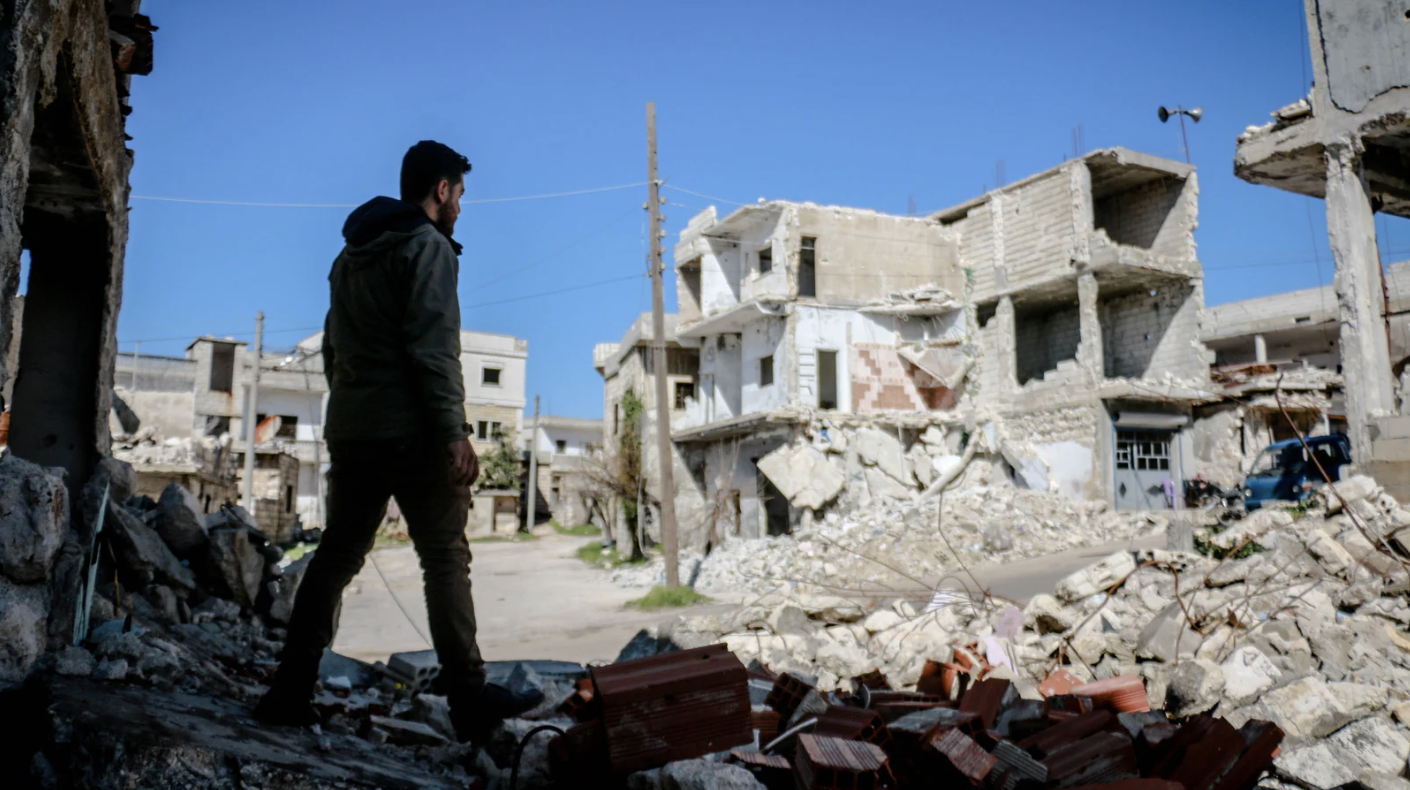
Because for many, the world does feel heavy right now. Earthquakes, wars, fires, storms, political division, economic pressure, families stretched thin, grocery prices, housing costs, job uncertainty, and all the grief that comes when people are suffering. And because of the way news and social media work, we don’t just hear about these things once and then go back to our day. We see them over and over. We see the headline, then videos, comments, arguments, memes, and so on. It is a lot.
So yes, there are real things happening. People are hurting. Families grieving. Communities needing to rebuild. Meanwhile, bills still keep coming due. Parents still wondering how to provide. So many people are just so tired.
So this isn't going to be one of those messages that says, “Just look for the opportunity,” because people need a chance to catch their breath first, and I get that.
But what can we do with our minds and hearts while, during a crisis, we look for evidence that God is still mindful of us?
In the original “Bring in the Candles” message, I talked about the importance of thinking beyond the immediate problem. There is value in having a longer vision, in not letting the emergency right in front of us become all we think about. Crisis has a way of shrinking our view until all we can see is today’s problem, but faith helps us remember that God is working on a much larger timeline than we are.
So while long-term vision is where we anchor our hope, it's the present moment where we find God's strength.
We have to let ourselves be present.
But I think that’s where we can get tangled up. We know we're supposed to trust God with the future, so we try to apply our faith over everything all at once. We try to feel peace about next month, next year, the next election, the next disaster, the next bill, the next family crisis, the next unknown... SO THAT we can finally relax into the present.
But that's not usually how we find peace.
It might be how human logic wants to think about it, but the truth is actually flipped.
It's only in finding peace in the present moment that we can ever truly develop faith and confidence in the future. Learning how to be present and recognize how God is already providing for you right here, right now, in this moment, is how you begin to trust that He will have you in all the future moments, too.
The Pattern is Scriptural
The children of Israel couldn't gather enough manna for the whole wilderness journey. They had to receive what was given for the day, and no more. We may want God to give us enough peace for the next ten years, but He may only be offering enough for this breath, this prayer, this conversation, this decision, this small act of obedience, as a way to teach us how to trust in Him always.
So take a minute:
What has God already provided for you right now? What light do you currently have? What duty or responsibility is yours in this hour?
Sometimes the answer may be practical, like Make the call. Pay what you can. Apply for the job. Check on the neighbor. Turn off the news. Put food on the table. Open the scriptures. Go to bed. Drink some water. Hold the child. Say the prayer. Do something. Move your body, go for a walk and get some endorphins.
And sometimes the answer may be simply, “Be still, and know that I am God.”
That is one reason appreciating the present matters so much. It trains the mind to notice sufficiency. Maybe not excess, or perfect comfort. Not a guarantee that things won't be hard.
But just enough light for the next step, and enough strength for the next responsibility. Sufficiency.
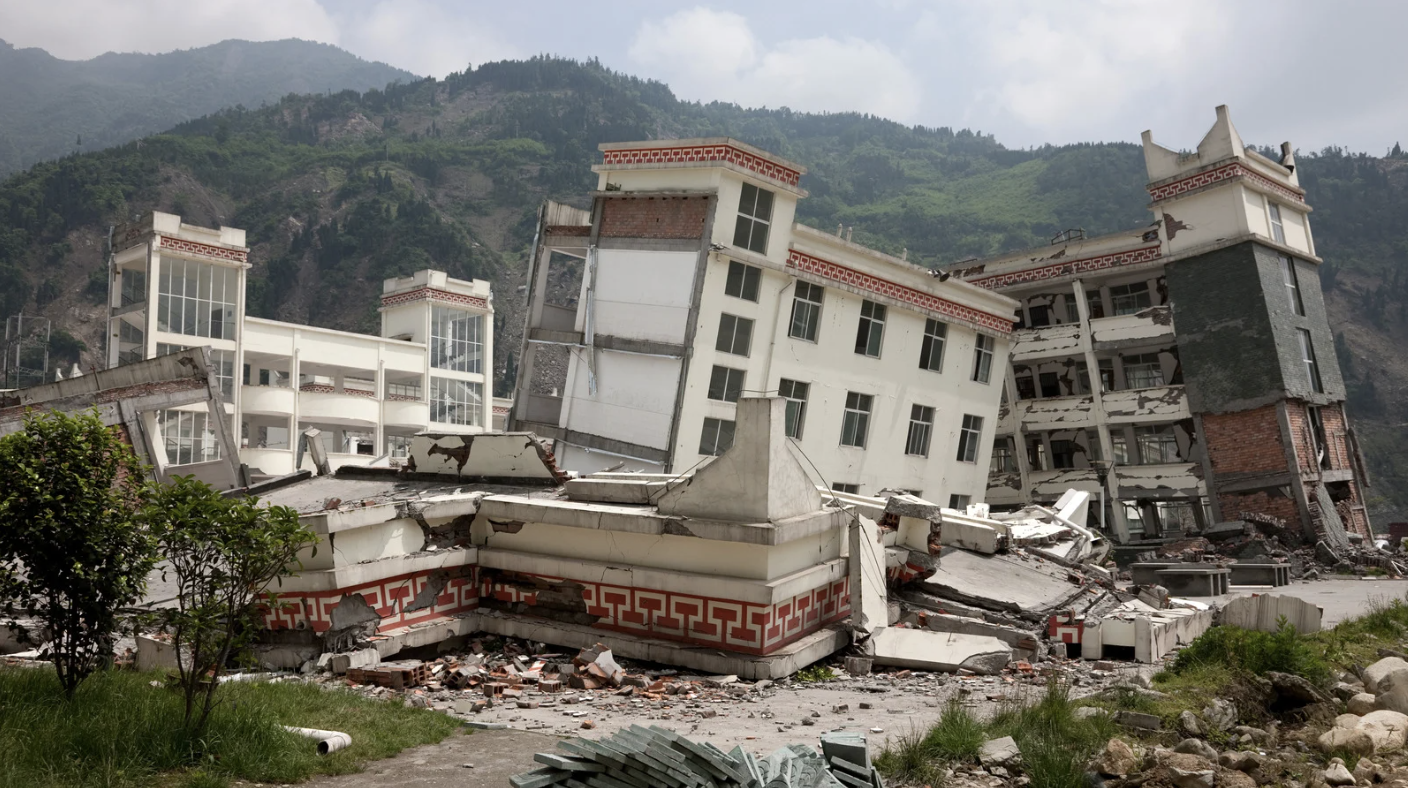
So if the world feels like it is shaking - literally or figuratively - let yourself become quiet enough to notice what is still steady. Relationships. Community. Faith. Let's strive to refrain from rehearsing fear and return as often as we can to the promises of God.
No matter what's going on... we can "Bring in the candles" and press on.
____________
Author's Note: Sometimes we fail to reach the goals we really long for, simply because we haven't learned to appreciate the present. To understand this concept better, and to get some help making the transition, watch the Weekly Forum Special Event replay available now, on Appreciating the Present.

Brought to you by...